

Overview of Afghanistan’s Healthcare Landscape
Legal Framework Surrounding Healthcare Access
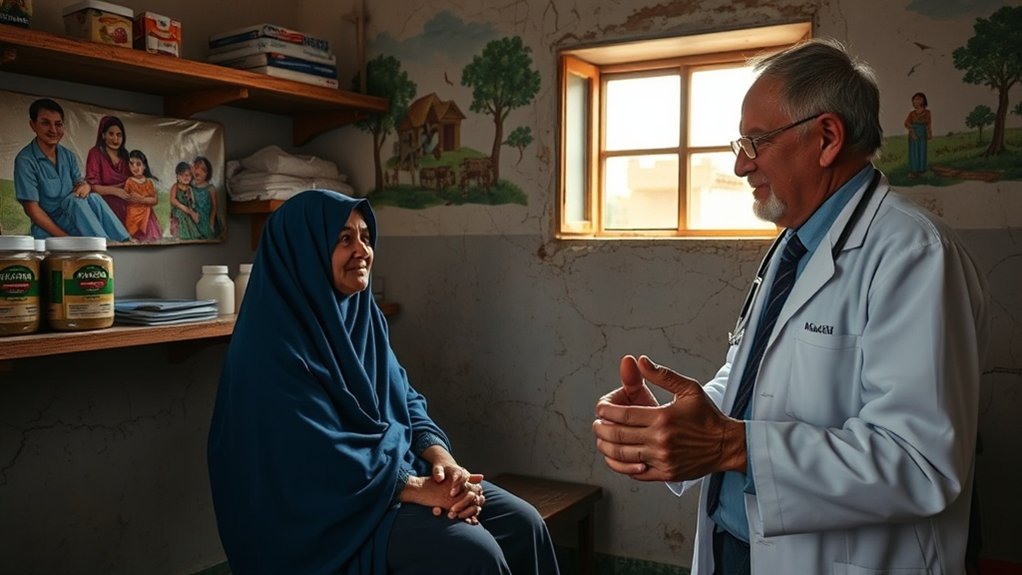
While Afghanistan’s healthcare system operates under significant strain, the legal framework establishes clear rights and obligations for both providers and patients. You’ll find that Afghanistan’s Constitution recognizes healthcare as a basic right, entitling you to medical care regardless of background. The Ministry of Public Health implements these rights through regulatory measures, licensing requirements, and patient protection standards. Healthcare professionals must meet set qualifications, adhere to ethical guidelines, and prioritize patient safety.You’re entitled to seek medical attention at public facilities, and the legal framework prohibits discrimination based on gender, ethnicity, or socio-economic status. Laws also safeguard patient privacy and require informed consent for most treatments. If a healthcare provider fails to meet these obligations, you have the right to file a complaint or pursue legal recourse using established protocols. Understanding your legal rights and healthcare providers’ duties ensures better navigation of Afghanistan’s complex medical landscape.When facing challenges related to healthcare access or medical documentation, professional support from experienced legal specialists can help you avoid significant complications and protect your rights throughout every stage of the process.Social Dynamics Impacting Medical Services
Gender Roles in Healthcare
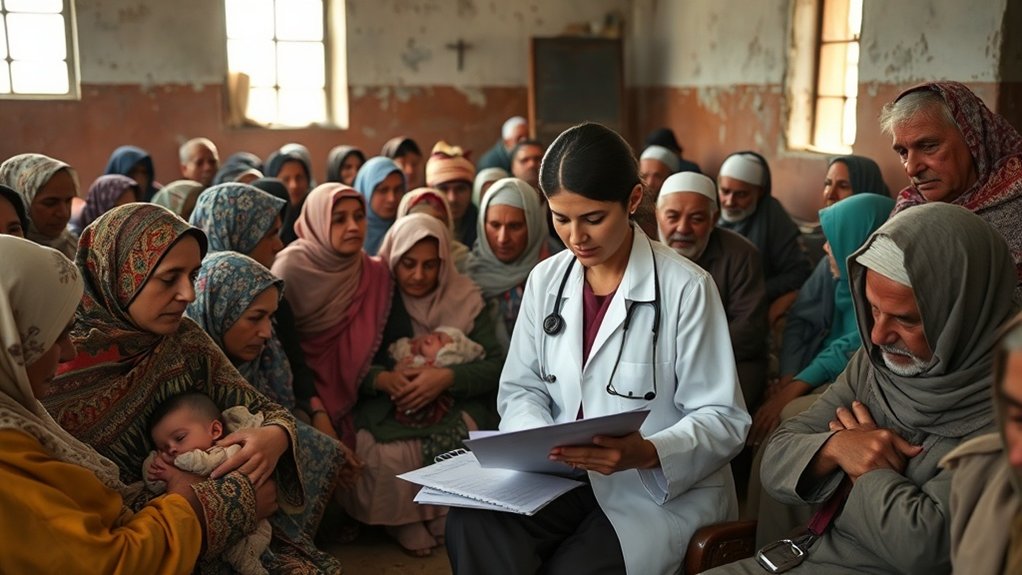
Even as Afghanistan works to rebuild its healthcare system, deeply rooted gender roles continue to shape who can access medical services and how. When you seek care, you’ll notice that women often face greater obstacles than men. Cultural expectations may require female patients to be accompanied by a male relative, limiting independent access. If you’re a woman living in a rural area, the scarcity of female healthcare workers creates additional barriers. Male providers are often not permitted to treat female patients without another woman present, making your medical journey more complicated. If you’re a woman or a girl, your ability to receive timely care often depends on both your family’s approval and the presence of suitable female professionals, resulting in delayed or missed treatments. In such a context, professional guidance can be crucial to help navigate complex regulations and documentation requirements for healthcare access, reducing the risk of errors or bureaucratic delays.Community Trust Factors
Beyond the influence of gender roles, the degree of trust that communities place in healthcare providers shapes how—and whether—people seek treatment. If you sense skepticism or doubt among neighbors or family, you’ll likely hesitate before visiting a clinic. Word-of-mouth reputation, religious leaders’ endorsements, and past experiences all play a part in how comfortable you feel accessing medical care. When providers come from outside the community or don’t respect local customs, trust can erode even more quickly.You might weigh concerns about privacy, fear of judgment, or rumors about providers before making healthcare decisions. Trust isn’t built overnight—it grows when people see consistent care, clear communication, and cultural understanding from medical staff. Without this foundation, you’re far less likely to take advantage of the services offered. Seeking the help of specialized legal support can also help build trust and ensure that community members’ rights to healthcare access are protected throughout the entire process.Socioeconomic Barriers Present
While healthcare facilities may exist nearby, social and economic realities can stand firmly in your way. If you can’t afford transportation or clinic fees, access becomes only theoretical. Even if costs seem low, unstable family incomes make expense planning impossible. Sometimes, traditions dictate that you can’t visit a male doctor, or household responsibilities keep you at home when you most need care. Poverty often forces you to prioritize essentials like food or fuel over medical needs.Education also plays a crucial role. If you lack literacy or health knowledge, you face challenges understanding available services or recognizing when to seek care. Corruption or favoritism can further limit your access, especially if you’re outside influential groups. All these social and economic barriers combine, shaping your healthcare journey daily. Receiving specialized legal assistance during immigration processes can be essential in overcoming documentation challenges that also affect access to healthcare.Infrastructure and Logistical Barriers

Rural Clinic Transportation Limitations
Although rural clinics remain a lifeline for many Afghans, reaching them often proves difficult due to inadequate roads and scarce transportation options. You may find that travel to these facilities requires hours of walking over rough, sometimes hazardous terrain. Public transport is rarely available, and most rural families don’t own vehicles, forcing you to depend on unreliable or costly alternatives. Seasonal flooding or harsh winters can further isolate entire villages, making regular visits to clinics nearly impossible. Poor road conditions also mean that any emergency trip can become a lengthy ordeal. These transportation challenges limit your ability to seek timely care, follow-up visits, or routine check-ups, resulting in delayed treatment and worsening health outcomes for rural populations relying heavily on clinic accessibility. In much the same way, access to essential public services—such as those requiring CPF registration in Brazil—can become severely hampered in isolated areas due to similar infrastructural barriers.Medical Supply Chain Disruptions
Limited transportation isn’t the only obstacle between rural Afghans and adequate healthcare—disruptions in the medical supply chain create further barriers. When you need medical supplies, you often face shortages caused by unpredictable deliveries and damaged infrastructure. Roads are frequently blocked, and checkpoints delay shipments, so vital medicines and equipment arrive late or not at all.You might find that health clinics run out of essential drugs or can’t offer proper treatment because they lack basic materials. These gaps force you, and many like you, to travel even farther or go without the care you need. Persistent instability only worsens these disruptions, making supply chains unreliable. When logistical hurdles go unaddressed, you risk being left with healthcare facilities that simply can’t serve their communities. Learning from diverse visa options and how immigration policies support economic and infrastructural improvements in other countries can offer potential models for strengthening Afghanistan’s healthcare logistics systems.Gender-Based Disparities in Healthcare Provision
Despite periodic international attention on Afghanistan’s healthcare system, stark gender-based disparities persist in both access and quality of care. You’ll notice that Afghan women and girls face unique barriers that men simply don’t encounter. Cultural restrictions, strict mobility limitations, and a severe shortage of female healthcare professionals prevent many women from even reaching clinics. Meanwhile, social pressure often discourages women from seeking medical care without a male guardian present, which directly impacts outcomes.To help you visualize the differences, examine the table below:| Factor | Impact on Women |
|---|---|
| Mobility Restrictions | Limited access to clinics |
| Shortage of Female Doctors | Hesitancy to seek care |
| Need for Male Escort | Delayed or forgone care |
Role of International Aid and Non-Governmental Organizations

Key Findings From the Vieira Braga Advogados Report
As you consider the significant impact of international organizations on Afghanistan’s healthcare system, the findings from the Vieira Braga Advogados Report provide fresh insight into the current state of access and ongoing barriers. You’ll notice that the report highlights persistent regional disparities in healthcare availability, especially in rural and conflict-affected areas. Many Afghans still struggle with limited medical resources, a shortage of trained professionals, and unreliable transportation to clinics.The report points out that women and children face the greatest challenges, with cultural restrictions and security issues compounding the difficulty of receiving timely medical care. Additionally, you’ll see evidence that supply chain disruptions and inconsistent funding further undermine service delivery, especially for essential medicines and vaccines. Despite international efforts, there’s a significant gap between policy intentions and on-the-ground realities. Overall, these key findings underline the urgent need to address structural weaknesses that hinder equitable access to healthcare throughout Afghanistan.Strategic Recommendations for Policy and Practice

Frequently Asked Questions
What is Afghanistan’s access to healthcare?
Healthcare access in Afghanistan is limited, especially in rural areas, with uneven availability of hospitals, clinics, and medical professionals.
Is healthcare expensive in Afghanistan?
Yes, private healthcare can be costly, while public services are often underfunded and may lack essential medicines and equipment.
How many health facilities are there in Afghanistan?
As of recent reports, Afghanistan has several thousand health facilities, including hospitals, clinics, and health posts, though many are concentrated in urban areas.
How Can Afghan Patients Seek Medical Treatment Abroad?
To seek medical treatment abroad, you’ll need to research suitable foreign hospitals, choose your preferred destination, and confirm visa requirements. Gather your medical records, then contact the hospital directly for appointment booking and cost estimates. Approach your embassy or a trusted travel agency for visa application help—most countries need an official medical invitation letter. Finally, plan for travel logistics, such as flights and accommodations, so you’re fully prepared for your journey.What Languages Are Medical Records Commonly Available In?
Medical records are most commonly available in the official language of your country—like Dari or Pashto in Afghanistan, English in the US or UK, or French in France. You’ll often find English versions, especially if you’re seeking international treatment. Hospitals may provide translations if you request them, but you should ask in advance. To avoid issues, it’s smart to get certified translations for your medical documents when traveling abroad.Are Telemedicine Services Accessible to Rural Afghan Communities?
Telemedicine services aren’t widely accessible to rural Afghan communities yet. You’ll find most remote areas lack the necessary internet connectivity and digital tools. Even if you have a smartphone, weak infrastructure, frequent power shortages, and cost barriers make it tough to use telemedicine. Language and literacy can also be issues. Some organizations are working to expand access, but right now, rural residents usually can’t rely on these services for regular healthcare needs.How Is Traditional Medicine Integrated With Modern Healthcare in Afghanistan?
You’ll find that traditional medicine is often blended with modern healthcare in Afghanistan. Local healers and folk remedies remain popular, especially in rural areas where access to hospitals is limited. Doctors may respect traditional practices, sometimes even recommending herbal treatments alongside prescribed medicine. This integration happens out of necessity and mutual respect, but you should know, it can also create challenges when patients rely more on tradition than evidence-based care.What Are the Costs of Common Medical Procedures in Afghanistan?
You’ll find that the costs of common medical procedures in Afghanistan vary widely, depending on the facility you choose. Government hospitals often offer basic procedures for free or at a very low cost, while private clinics can charge much more. For example, a standard doctor’s visit might cost between $2 and $10. Minor surgeries or childbirth in private facilities could range from $50 to $200, but prices fluctuate by location and available resources.Conclusion
You’ve seen how Afghanistan’s healthcare system faces enormous obstacles—war-torn infrastructure, legal and social barriers, and pronounced gender inequalities. Despite some protections on paper, you know real change requires more than policy; it demands action on the ground. International aid and NGOs fill critical gaps, but lasting reform depends on your commitment to supporting equitable, accessible healthcare for every Afghan. Take these findings and recommendations as your call to advocate for urgent, transformative change.