
If you’re an Afghan national struggling with statelessness or facing problems because your passport’s expired, you know how complex and overwhelming legal issues can become. These situations can disrupt your life, making access to essential services or travel almost impossible. Fortunately, Vieira Braga Advogados offers tailored legal solutions to help you navigate these hurdles. Wondering how you can safeguard your rights and stabilize your future when official documentation is out of reach?
Understanding Afghan Statelessness and Its Causes
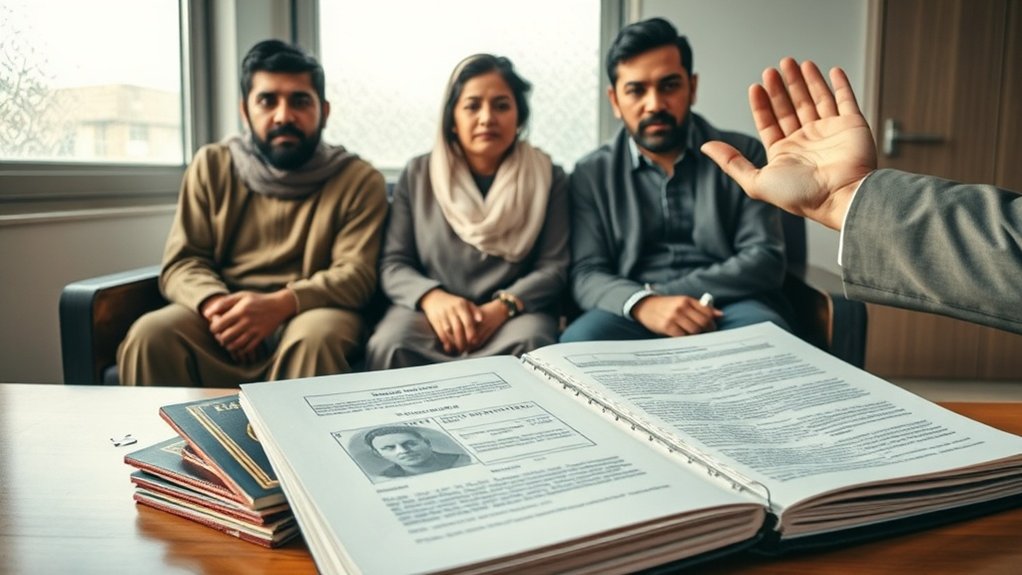
Although Afghanistan has a long and complex history, recent decades of conflict, regime changes, and shifting borders have left many Afghans without formal citizenship or legal recognition. You may find yourself in a situation where neither Afghanistan nor another country recognizes you as a national, which means you’re stateless. Many factors have contributed to this problem. When governments change or collapse, they might not keep reliable records or issue identification documents. Sometimes, you lose citizenship because your birth wasn’t registered, or paperwork got lost during chaotic events like wars or mass migrations. Ethnic minorities and displaced groups have been especially vulnerable, as new authorities may exclude them intentionally. You might also face statelessness if laws change, and your connection to Afghanistan isn’t legally recognized anymore. These causes have grown more pronounced as many Afghans seek safety abroad, leaving many people with unclear or disputed citizenship status. In these situations, working with immigration lawyers can significantly improve your chances of resolving complex citizenship and documentation challenges.
Challenges Faced With Expired Afghan Passports
When your Afghan passport expires, you can’t travel internationally or renew visas, which leaves you feeling trapped. It’s tough to access essential services like healthcare or education without valid documents. You also run into legal issues when trying to prove your residency or status in another country. Seeking help from a legal professional is crucial, as regularizing immigration status with proper guidance can reduce risks of fines, deportation, or denial of public services.
Restricted International Mobility
Because Afghan passports have lost international validity in many contexts, people holding expired documents face severe travel restrictions. If you hold an expired Afghan passport, you can’t leave or enter most countries legally, which limits educational, employment, and family opportunities abroad. Even transit through airports can lead to detention or forced returns. You may find that border officials refuse you entry, or airlines won’t allow you to board flights without a valid travel document. The table below shows key challenges you might encounter:
| Challenge | Impact |
|---|---|
| Entry Denied | No access to destination countries |
| Transit Restrictions | Airport detention or forced return |
| Limited Visa Applications | Most embassies reject expired passports |
| Family Reunification Halted | Can’t join relatives abroad |
| Risk of Deportation | Authorities may treat you as an undocumented migrant |
Seeking specialized legal support can significantly increase your chances of overcoming these immigration barriers caused by expired documentation.
Accessing Essential Services
Even with basic needs at stake, holding an expired Afghan passport makes it nearly impossible to access essential services in many countries. You might encounter barriers at hospitals when seeking medical care, as administrative staff often demand valid identification. Schools may refuse to enroll children if you can’t show current documents. Banks might deny you the ability to open accounts, receive transfers, or manage finances, further limiting your independence. Without a valid passport, getting SIM cards, housing leases, or even social welfare support can become out of reach. Every step—whether you’re trying to work, study, or get health care—feels blocked by paperwork. Authorities tend to link eligibility for public resources directly to proper identification, leaving you excluded from crucial services. In situations like these, professional legal guidance from experienced immigration lawyers can help you explore judicial or extrajudicial solutions for documentation issues and open the door to essential services.
Legal Residency Complications
Although you may have built a life in a host country, holding an expired Afghan passport quickly complicates your legal status. Many immigration processes depend on a valid passport for identification and proof of nationality. When your passport expires, you can’t renew residency permits, apply for visas, or travel legally. Authorities may classify you as undocumented, putting you at risk of detention, deportation, or loss of basic rights.
You also miss opportunities for employment and study, as most institutions require valid identification. If Afghanistan’s government is unable or unwilling to renew your passport, you could slip into statelessness. You’ll face heightened barriers seeking legal solutions or appealing your status. To protect your future, you must act promptly and seek legal advice tailored to your situation. Engaging an expert who provides personalized analysis and documentation can help you navigate these legal challenges and improve your chances of regularizing your status.
Legal Pathways for Passport Renewal Abroad
If you need to renew your Afghan passport while abroad, you’ll likely rely on consular assistance from Afghan embassies or consulates. When that’s not possible, you should explore alternative documentation options recognized by host countries or international bodies. Let’s look at how these legal pathways work and what steps you can take. For those facing difficulty, consulting a lawyer with experience in complex immigration laws can help you avoid errors, delays, and legal risks during passport renewal or when seeking other status documentation.
Consular Assistance Procedures
Thousands of Afghans living abroad rely on consular assistance to renew their passports and maintain legal status in host countries. If you’re in this situation, contacting the nearest Afghan consulate or embassy is your first step. You’ll need to gather specific documents, schedule an appointment, and follow government regulations. The process can take weeks and depends on local diplomatic capacity. Consular staff help you verify your identity, complete application forms, and explain fees. It’s important to stay proactive and monitor your passport’s validity date to avoid lapses in legal status. Engaging with experienced legal assistance can also help prevent unnecessary delays or denials during the renewal process. Here’s what the process usually involves:
| Step | Purpose |
|---|---|
| Book appointment | Start the renewal process |
| Complete application | Provide personal information |
| Submit documents | Prove your identity and status |
| Pay fees | Cover government processing |
| Wait for issuance | Obtain renewed passport |
Alternative Documentation Options
Sometimes, you might find standard passport renewal impossible—maybe your local Afghan embassy has closed or lacks resources. In these situations, you’ve got a few alternative documentation options to consider. Some host countries issue temporary travel documents or laissez-passer papers that allow you to move or prove identity. You could also request a United Nations Travel Document if you have recognized refugee status. Certain countries let you apply for a foreigner’s identity card or a residence permit, which can serve as legal ID while you resolve your Afghan documentation issues. If you have family ties or humanitarian grounds, explore special exception permits or humanitarian visas. Always check local legal requirements, as rules differ widely. Seek legal guidance to choose the right solution. In Brazil, it’s important to follow all steps for regularizing your immigration status to avoid legal penalties and ensure your rights are protected.
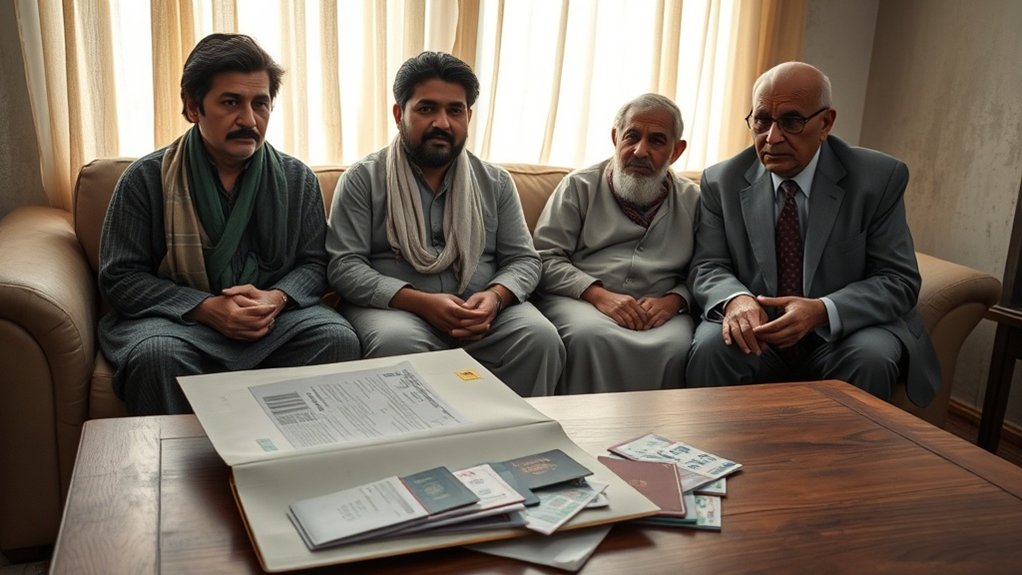
While lacking valid travel documents, you quickly discover how restricted daily life becomes. Simple acts—opening a bank account, renting an apartment, or accessing medical care—suddenly demand identification you can’t provide. Most countries require official documents for employment, education, and even basic travel within their borders. Instead of planning your future, you’re left scrambling to overcome endless barriers just to meet your daily needs.
You’ll encounter multiple obstacles:
1. Inability to Work
Without recognized documents, you can’t legally access most formal jobs, making stable income almost impossible.
2. Housing Limitations
Landlords and agencies typically require identification to sign contracts, so safe, long-term housing becomes elusive.
3. Limited Access to Services
Many essential services—like healthcare, education, and public assistance—may deny you support if you can’t prove your identity or residency status.
Living without valid documents often means living at society’s margins, constantly facing uncertainty and vulnerability. Guidance from experienced immigration lawyers can be crucial in avoiding severe repercussions related to irregular residency status.
Humanitarian Protections for Stateless Afghans
Finding yourself shut out from daily life by a lack of documents, you might wonder what support exists when legal barriers seem insurmountable. As a stateless Afghan, you do have some paths for humanitarian protection. Organizations like the UNHCR recognize your vulnerability and may step in to help. They can provide documentation confirming your stateless status, give referrals to legal aid, and, in emergencies, offer basic assistance like food or shelter.
You should also know that many countries uphold international obligations to protect stateless people. Local NGOs and international partners can connect you to programs designed specifically for stateless individuals, such as protection against deportation and access to urgent health care. While these humanitarian protections don’t confer legal residency, they do shield you from some immediate harms. Don’t hesitate to seek support from these entities; proactive steps increase your chances of receiving help and safeguarding your rights. Consulting with an immigration lawyer experienced in complex documentation issues can further help you navigate strict deadlines and avoid risks like deportation.
Residency and Asylum Options in Host Countries
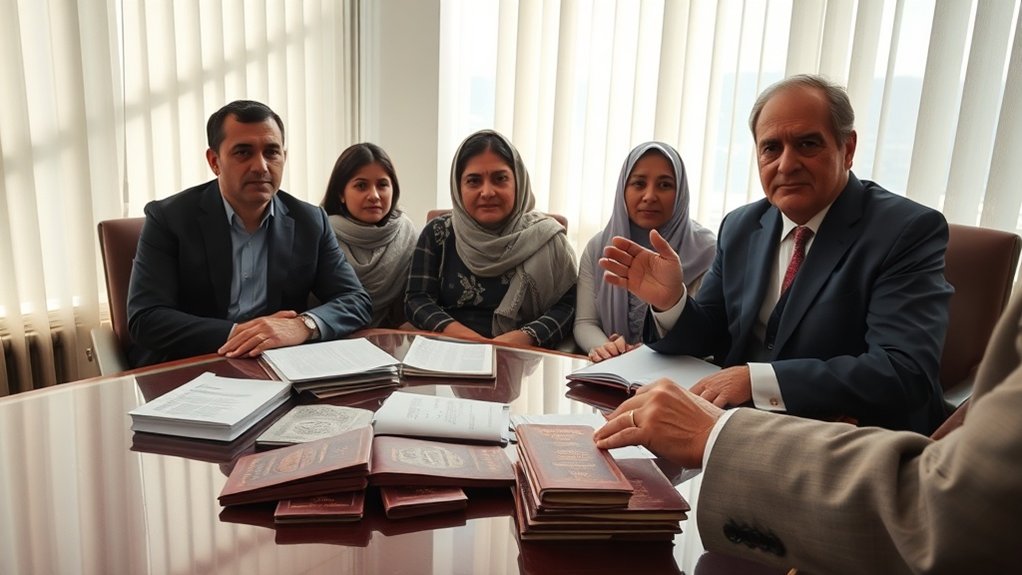
Depending on the country where you seek refuge, you may qualify for residency or asylum even without formal citizenship. Many host nations recognize the challenges Afghan stateless people face and have established pathways to protect your legal status. Generally, you’ll encounter specific eligibility criteria and procedural steps, but it’s possible to find practical solutions that help secure your future.
Here’s how you can navigate residency and asylum options effectively:
- Apply for asylum: Most countries offer asylum for those fleeing persecution or conflict. You’ll need to demonstrate why returning to Afghanistan would endanger you.
- Consider humanitarian residency: Some countries provide temporary or permanent residence permits for stateless individuals based on humanitarian grounds, even if you lack a valid passport.
- Seek legal counsel: Reach out to immigration lawyers or NGOs specializing in refugee law. They can guide you through documentation and procedures, increasing your chances of approval.
Taking these steps strengthens your case for legal stay.
The Role of International Law in Afghan Cases
Although Afghan statelessness presents complex challenges, international law offers important protections that you can use to safeguard your rights. Treaties like the 1951 Refugee Convention and the 1954 Convention Relating to the Status of Stateless Persons give you a framework for protection, even when your nationality is in question or your passport has expired. If you can’t return to Afghanistan due to fear of persecution, you have the right to claim refugee status under these principles.
International law also places responsibility on states to avoid statelessness, so authorities in your host country must consider your situation seriously. You’re entitled to certain rights, such as access to courts, employment, and education, under these conventions. Activating these protections often requires understanding the obligations your host country holds under international law. By invoking these legal tools, you strengthen your case and ensure you aren’t left vulnerable by gaps in national policies.
Essential Documentation and Evidence for Your Case
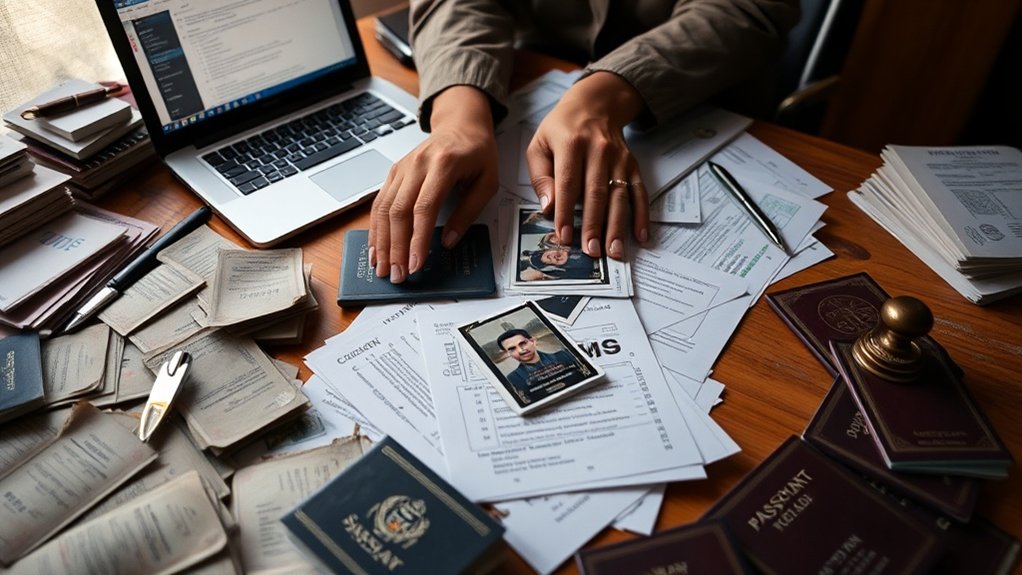
When you’re preparing to prove your case as an Afghan stateless person, gathering the right documents and evidence is crucial. You must show not only your identity, but also your inability to access protection from Afghanistan or any other country. Without clear, well-organized evidence, your legal path could become far more challenging. Keep your approach systematic and detail-oriented. Here are three key categories of documentation you should prioritize:
- Proof of Identity: Collect Afghan national ID cards (Tazkira), expired passports, or birth certificates that establish your background.
- Evidence of Statelessness: Gather letters from embassies denying passport issuance, correspondence with Afghan authorities, and documentation of failed attempts to obtain nationality.
- Supporting Records: Include proof of residency, witness statements, and any legal correspondence regarding your status.
How Vieira Braga Advogados Supports Afghan Nationals
Vieira Braga Advogados offers dedicated legal expertise to Afghan nationals seeking recognition and protection as stateless persons. You’ll find practical guidance whether you face an expired Afghan passport, lack essential nationality documentation, or need help navigating Brazil’s immigration procedures. The firm’s team thoroughly analyzes your situation, gathers key evidence, and maps out a strategy tailored to your unique needs.
With Vieira Braga Advogados, you’re not alone in this process. Lawyers clarify requirements, prepare legal petitions, and represent you before immigration and judicial authorities. They can also advise on the acquisition of residence permits, access to social benefits, or applications for Brazilian citizenship. If language barriers or bureaucratic challenges arise, they’ll act as your bridge, making complex legal steps manageable and transparent.
Frequently Asked Questions
Can I extend my Afghan passport?
Yes, Afghan citizens can apply for passport renewal or extension through Afghan embassies or consulates abroad, or at local passport offices within Afghanistan before expiration.
Who is in charge of passports in Afghanistan?
The Directorate of Passports under the Ministry of Interior Affairs is responsible for issuing, renewing, and managing Afghan passports.
What Are the Costs Associated With Legal Assistance for Afghan Nationals?
You’ll find that legal assistance costs for Afghan nationals can vary widely, depending on your needs and the complexity of your case. Expect to pay anywhere from a few hundred to several thousand dollars for services like document review, application preparation, or full legal representation. Some lawyers might charge flat fees, while others bill hourly. Don’t forget to ask about payment plans or pro bono options, as some providers support refugees or stateless individuals at reduced rates.
Can Family Members Also Receive Legal Support During These Processes?
Yes, your family members can also receive legal support during these processes. When you seek assistance, legal professionals typically consider your family’s situation, helping everyone navigate the necessary procedures together. They can guide you and your loved ones through paperwork, represent you collectively if needed, and ensure that each person’s needs are addressed. It’s important to mention all family members when you first consult, so the support covers everyone involved from the start.
How Long Do Legal Procedures Typically Take for Afghan Cases?
Legal procedures for Afghan cases can vary, but you should expect the process to take several months up to a year or more. Factors like the complexity of your situation, required documentation, and government response times all play a role. You’ll want to stay in close contact with your legal representative, as they’ll guide you through each step and keep you informed about any updates or delays that might occur during the process.
Are Remote Consultations Available With Vieira Braga Advogados?
Yes, you can schedule remote consultations with Vieira Braga Advogados. They understand that travel and logistics can be challenging, so they offer video or phone meetings to support you wherever you are. You’ll be able to discuss your situation, submit documents securely, and receive legal advice without needing to visit the office in person. Just contact them to arrange a convenient time, and they’ll guide you on the next steps.
What Languages Does Vieira Braga Advogados Provide Services In?
You can access services at Vieira Braga Advogados in several languages, including English and Portuguese. They’re committed to making communication easy, so you won’t struggle with language barriers during your legal process. If you need assistance in another language, simply ask—staff often adapt to client needs or arrange for interpreters. You’ll find their approach flexible, which helps you feel understood and confident every step of the way through your legal journey.
Conclusion
When you face statelessness or an expired Afghan passport, you don’t have to navigate these challenges alone. Vieira Braga Advogados is here to guide you every step of the way, from renewing documents to applying for residency or asylum. We understand the complexities you’re dealing with and will fight to protect your rights. Trust our expertise to help you regain stability, access vital services, and secure a better future for yourself and your family.