

Understanding the Importance of Degree Revalidation

Common Challenges for Afghan Academic Credential Holders
You might face lost documentation, which makes it hard to prove your qualifications. Language translation issues can add confusion or delay in the process. Even when you have your records, some institutions may not recognize your credentials right away. Seeking specialized legal support can help you navigate complex requirements and ensure your academic revalidation process meets all immigration standards in Brazil.Lost Documentation Barriers
When conflict, displacement, or sudden regime changes disrupt daily life, many Afghan academic credential holders find themselves unable to retrieve or replace lost diplomas, transcripts, or certificates. If you’re in this situation, you know educational institutions may be closed, destroyed, or simply unreachable. Official records can go missing during hurried moves or become inaccessible under new authorities. Without these crucial documents, you’ll face real barriers when applying to universities, seeking employment, or starting the degree revalidation process abroad. Even simple requests for copies often go unanswered or can’t be processed, leaving you at a standstill. This loss doesn’t just halt your career or educational plans—it complicates your ability to prove your qualifications and skills, adding stress to already challenging circumstances. Obtaining specialized legal support can offer guidance and solutions when you are blocked by missing documentation, helping to navigate complex procedures and improve your chances of success.Language Translation Issues
Because many Afghan academic records are issued in Dari or Pashto, translation often becomes a critical hurdle. You’ll need accurate, certified translations to prove your academic background outside Afghanistan. Mistakes or poor-quality translations can delay or even derail your credential evaluation. Sometimes, essential context in your records—such as grades, subjects, and institutional terminology—can be lost or misinterpreted during translation. This makes it vital to work with translators who understand both the academic language and the educational system. Don’t underestimate these challenges; they can directly impact how others perceive your qualifications.- Certified translators help ensure accuracy in your documents
- Errors in translation can cause rejection of your credentials
- Detailed glossaries can bridge cultural or academic misunderstandings
- Working with experienced professionals prevents costly delays
Recognition by Institutions
Although Afghan academic records reflect years of hard work, institutions abroad often hesitate to recognize them without thorough verification. You might face doubts about the authenticity and equivalency of your credentials, especially if the issuing Afghan institution isn’t widely known or if your country’s educational system has faced instability. Many universities and employers require detailed evaluations from recognized credential assessment agencies. Even with proper documentation, you’ll likely encounter requests for additional evidence, such as syllabi or official letters, to prove the legitimacy of your studies.It’s common to see requests for notarized translations or attestation by embassies. These extra steps can slow down the admission or hiring process. By preparing early and gathering as much supporting documentation as possible, you’ll improve your chances of smooth recognition. Seeking the assistance of an immigration lawyer can help navigate these challenges efficiently and increase the likelihood that your credentials are properly recognized by foreign institutions.Essential Documentation Required for Revalidation
When you’re ready to revalidate your Afghan academic records, you’ll need a few key documents. Make sure you have translated transcripts, proof of degree authentication, and current identification ready. Let’s look at what each requirement involves and why they’re essential. Working with an immigration lawyer offers personalized assessment of your case, ensuring all documentation meets legal requirements and increases your chances of successful revalidation.Translated Academic Transcripts
If you need to have your Afghan academic records recognized abroad, you’ll need to submit translated academic transcripts. Authorities in many countries require officially translated documents to evaluate your credentials accurately. Make sure you work with certified translators, as unofficial translations are often rejected. Your transcripts should be complete, clear, and include every subject, grade, and year of study. Pay attention to the formatting and certification requirements outlined by the institution or government agency involved in your revalidation process.Keep these important points in mind:- Use certified translators for all academic transcripts.
- Ensure translations are complete, clear, and accurate.
- Check if notarization or additional certification is required.
- Follow the specific formatting rules given by authorities.
Degree Authentication Process
Before your Afghan degree can be recognized in another country, you’ll need to complete the degree authentication process and gather all required documentation. Start by requesting your original diploma and certified academic transcripts from your university in Afghanistan. Ensure every document clearly displays your name, degree title, and graduation date. Next, you must have these records authenticated by the Afghan Ministry of Higher Education and, in some cases, the Ministry of Foreign Affairs. You’ll also need official stamps or signatures to prove authenticity. Following authentication in Afghanistan, submit your paperwork to the embassy or consulate of your destination country for final validation. Keep all documents in their original format and provide certified translations if required. Timely collection and preparation will streamline your revalidation process. If you are planning to use your degree in Brazil, it is important to be aware of essential documentation and potential legal steps required for validation and regularization as described in Brazilian immigration processes.Identification Verification Requirements
Although authenticating your academic credentials is crucial, you’ll also need to prove your identity throughout the revalidation process. Institutions require clear evidence that the academic records you submit actually belong to you. Proper identification verification streamlines your revalidation, prevents fraud, and builds trust with reviewing authorities. Make sure your documents are current and translated if necessary—expired or incomplete paperwork could stall your application. To help you prepare, gather the following essential items:- Valid passport or government-issued photo ID
- Birth certificate (plus certified translation, if not in Portuguese)
- Proof of legal residence or immigration status in Brazil
- Recent passport-sized photographs
Step-by-Step Overview of the Revalidation Process
Once you’ve gathered your Afghan academic documents, it’s important to follow a clear process to ensure they’re recognized and validated. Begin by carefully reviewing each document to confirm they’re complete and translated into the official language required by the evaluating authority. Next, verify whether you need certified copies or original documents. You’ll often be asked to provide authenticated translations if your papers aren’t already in the required language.Proceed to submit your documentation using the official online portal or designated submission method. Pay close attention to specific format requirements and deadlines. After submitting, keep copies and all communication confirmations. Some authorities might request additional information or clarification, so promptly respond to any queries.Monitor the progress of your application regularly. Stay organized and track each step, as missing a single requirement may delay your process. By following these structured steps, you position yourself for a smooth and efficient academic record revalidation. Consulting an attorney with expertise in Brazilian immigration law will greatly improve your chances of successfully navigating the revalidation process and avoiding potential obstacles.Institutions and Authorities Involved in the Procedure

- Ministry of Education: Validates your secondary education records and issues confirmations.
- Higher Education Institutions (HEIs): Analyze your Afghan degree, compare curricula, and determine equivalency.
- Consulates and Embassies: Authenticate documents through legalization or apostille processes.
- National Revalidation Boards: Oversee the evaluation and final approval of your credentials.
Language Barriers and Document Translation Solutions
As you work with various authorities to revalidate your Afghan academic records, you’ll likely encounter language challenges along the way. Most institutions require your documents in the local language or in English. That means you’ll need precise translations, not just literal ones, but translations that fully convey academic terminology and official stamps.It’s crucial to choose certified translation services familiar with academic records. Below, you’ll find a helpful breakdown of common issues and practical solutions:| Language Barrier | Translation Solution |
|---|---|
| Non-English documentation | Use certified translators |
| Misinterpreted terminology | Hire experts in educational records |
| Missing stamps/seals | Request translator’s validation note |
| Multiple documents | Bundle translations for consistency |
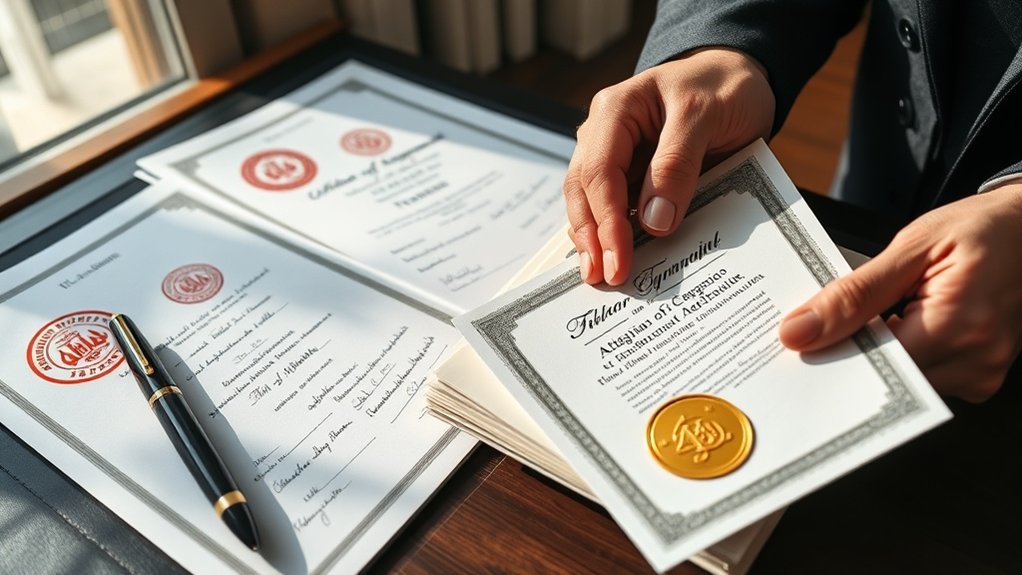
- Confirm whether you need legalization or apostille for your specific destination country.
- Check for updated procedures at both Afghan and foreign embassies.
- Prepare all originals and certified copies, as incomplete documentation can delay your process.
- Track the steps and required fees to avoid setbacks or unexpected costs.
Professional Support and Legal Assistance Options
Expert guidance can make a significant difference when handling Afghan academic records for use abroad. The process can feel overwhelming, but you don’t have to navigate it alone. Legal professionals and credential experts can support you with document verification, translations, and dealing with foreign institutions’ requirements. They understand the nuances of Afghan documentation and know how to address challenges unique to your situation.Here’s how different types of professionals can help:| Professional Type | Main Service Provided |
|---|---|
| Immigration Lawyers | Legal pathways and compliance |
| Academic Credentialers | Record verification and evaluation |
| Translators | Accurate, certified translations |
| Notary Publics | Document authentication |
| Education Consultants | Guidance on institution-specific steps |
Tips for Accelerating the Academic Credential Revalidation

- Prepare certified translations: Submit official translations of your academic documents early.
- Contact relevant authorities: Reach out directly to the evaluating body to clarify requirements and timelines.
- Seek professional advice: Consult legal experts or credential evaluation specialists for guidance.
- Monitor your application: Regularly check the status and respond promptly if additional documents are requested.
Frequently Asked Questions
Can I Apply for Revalidation if My Original Documents Are Lost?
Yes, you can still apply for revalidation even if your original documents are lost, but you’ll need to take extra steps. Start by contacting your previous educational institution to request certified copies or replacement documents. You should also provide a police report confirming the loss and any other supporting evidence you have. It’s important to clearly explain your situation, and follow the application guidelines closely to boost your chances of revalidation approval.What Is the Estimated Cost of the Revalidation Process?
You can expect the estimated cost of the revalidation process to vary depending on the institution and country, but generally, fees range from $100 to $500 USD. You’ll likely need to budget for translation, notarization, and possibly courier services as well. Don’t forget to check if there are additional charges for document evaluation or legalizations. It’s smart to contact the relevant authority for a detailed breakdown before you start.Are There Scholarships Available During Degree Revalidation?
Yes, you can find scholarships specifically designed to support the degree revalidation process, though availability depends on your location and the field of study. You should check with universities, government agencies, and international organizations that assist refugees or immigrants. Don’t forget to research private foundations as well. Applying early and gathering all necessary documents will boost your chances. Reach out to local education offices to learn about current scholarship opportunities.How Long Does the Revalidation Approval Take?
You can expect the revalidation approval process to take anywhere from a few months up to a year, depending on the complexity of your documents and the specific requirements of the institution or authority reviewing your case. If you submit all the required paperwork accurately and respond quickly to any additional requests, you’ll likely speed things up. It’s important that you stay in close contact with the relevant office to track your application’s status.Can I Revalidate Vocational or Technical Diplomas?
Yes, you can usually revalidate vocational or technical diplomas, but you’ll need to check the specific requirements for your field and country. You’ll have to provide official transcripts, course descriptions, and proof of completion. Some authorities might ask for translations and authenticated documents. Make sure you review guidelines carefully and contact the appropriate education board or credential evaluation agency so you’re prepared for each step of the revalidation process.Conclusion
By trusting Vieira Braga Advogados, you’ll overcome the typical challenges of revalidating your Afghan academic credentials. Their expert support helps you gather the right documents, navigate translations, and comply with legalization requirements. With professional guidance each step of the way, you can streamline the process and improve your chances of recognition. Don’t let paperwork or legal hurdles slow your progress—let Vieira Braga Advogados help you unlock new educational and career opportunities abroad.