The Importance of Consistent Documentation for Afghans
Common Types of Name Variations and Spelling Issues
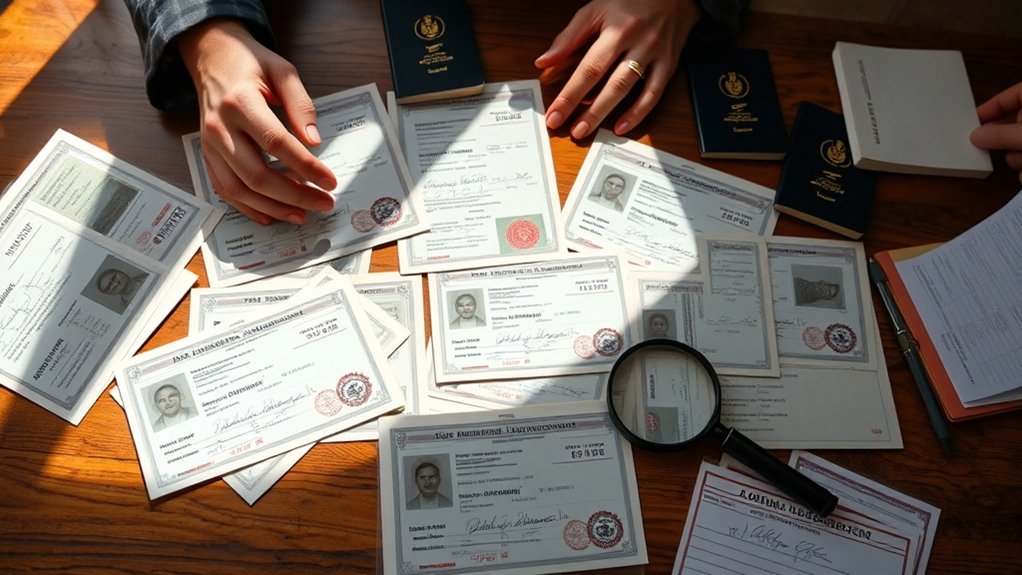
One of the biggest challenges to document consistency comes from variations in how names are spelled and recorded. You’ll encounter these issues often, especially with Afghan names due to different alphabets, dialects, and transliteration methods. It’s common to see one person’s name appear in several forms across official documents, which can lead to confusion or delays in legal or administrative processes. Names may be split, joined, shortened, or misinterpreted during translation from Dari or Pashto to English or other languages.Consider the following examples to see how easily these variations can happen:| Original (Dari) | Common Variant 1 | Common Variant 2 |
|---|---|---|
| محمد ابراهیم | Mohammad Ebrahim | Muhammad Ibrahim |
| فاطمه زهرا | Fatemeh Zahra | Fatima Zahra |
| احمد شاه | Ahmad Shah | Ahmed Shah |
| عبدالقادر | Abdul Qadir | Abdol Qader |
Date Discrepancies and Their Impact on Legal Processes
Common Date Inconsistencies
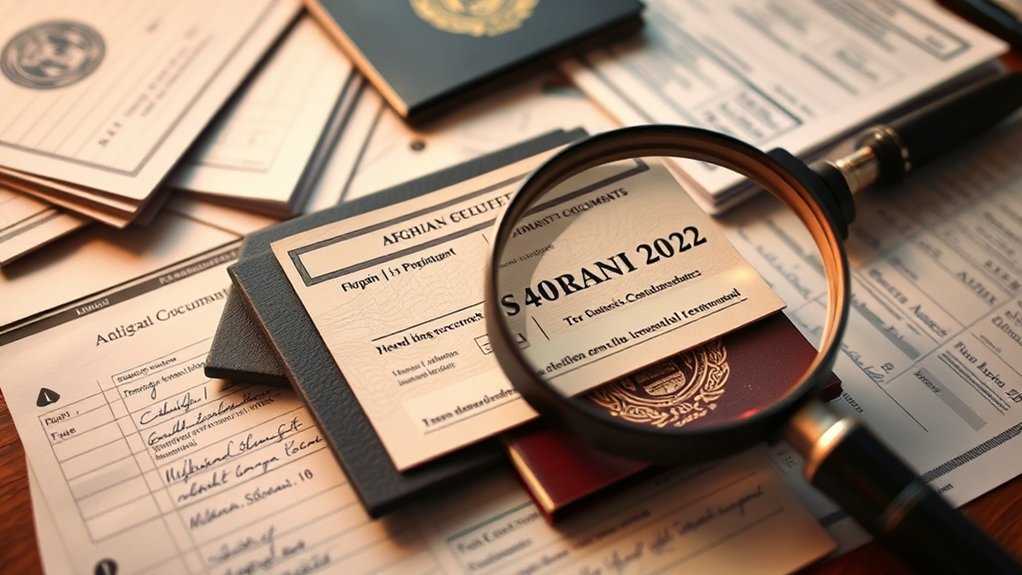
When reviewing Afghan documents, you’ll often encounter mismatched or inconsistent dates, which can easily undermine the credibility of the paperwork. These discrepancies might arise from differences between the Solar Hijri and Gregorian calendars, data entry mistakes, or simply varying date formats. If you don’t pay attention to these issues, they can create confusion, delay processes, or trigger unnecessary scrutiny from authorities. You need to recognize the most frequent types of date errors so you can address them effectively. In fact, seeking guidance from professionals with expertise in document requirements can greatly reduce the risks associated with these inconsistencies. Below is a table highlighting examples you might see:| Type of Inconsistency | Example |
|---|---|
| Calendar Mismatch | 1398/07/15 (SH) vs. 2019/10/07 (G) |
| Day/Month Swapped | 03/04/2001 vs. 04/03/2001 |
| Missing Digits | 201/09/23 vs. 2019/09/23 |
| Untranslated Text | حمل 12, 1399 vs. 01/04/2020 |
| Typographical Error | 2020/13/15 vs. 2020/12/15 |
Legal Implications of Errors
Although a minor date error might seem harmless, inconsistencies in Afghan documents can seriously jeopardize their legal validity. If you’re handling official paperwork, such as birth certificates, identification cards, or legal contracts, a simple date discrepancy can trigger unwanted complications. Courts, embassies, and government agencies rely on accurate data. If you submit documents with conflicting dates, you can face denial of essential services, delays, or worse—accusations of fraud.Here’s how date errors in your Afghan documents can directly impact you:- Legal proceedings may stall if judges question document authenticity.
- Immigration authorities might reject your visa or asylum application.
- Bank transactions and financial processes can be delayed or blocked.
- Claims for inheritance, marriage, or educational records may be denied.
Challenges in Transliteration From Dari and Pashto
When you handle Afghan documents, you’ll quickly notice how name spellings shift between records, causing confusion. It’s easy to run into inconsistent date formats and phonetic transliteration problems that make matching information tricky. These challenges can seriously affect accuracy when reviewing official paperwork. Consulting with professional guidance is essential to navigate these complexities and minimize the risk of errors in applications.Variations in Name Spelling
Why do Afghan documents often feature multiple spellings for the same name? The answer lies in the tricky process of transliterating names from Dari and Pashto into the Latin alphabet. When you try to match sounds from one language to another, there’s rarely a perfect fit. That’s why you’ll see the same name spelled several ways on different documents. These inconsistent spellings can cause confusion and slow down legal, administrative, or immigration processes. Here are four key reasons you should keep in mind:- Different transliteration habits – People use varied systems to match letters and sounds.
- Phonetic ambiguity – Some Dari or Pashto sounds don’t exist in English.
- Personal preference – Individuals may choose their own spelling.
- Clerical errors – Simple mistakes often slip through.
Inconsistent Date Formats
Because dates get recorded in various ways across Afghan documents, it’s easy to encounter confusion and delays during reviews or applications. You might see dates written using the Gregorian or Solar Hijri (Shamsi) calendars, and even within one calendar, the day, month, and year order will vary. If you’re not careful, you could misunderstand someone’s birth year, a significant risk for legal or immigration processes. Sometimes Dari or Pashto dates are transliterated into Latin script, causing further inconsistencies.Here’s a quick comparison of how dates can appear:| Format Example | Meaning |
|---|---|
| 1400/05/17 | 17th day, 5th month, 1400 (Shamsi) |
| 2022-12-03 | December 3rd, 2022 (Gregorian) |
| 03/12/2022 | 3rd December, 2022 (Gregorian) |
Phonetic Transliteration Issues
Even if you double-check dates, transliterating names and places from Dari or Pashto introduces a different set of headaches. You’ll quickly realize that the same word may appear in documents with multiple spellings, all phonetically plausible, but none quite exact. This can derail attempts to match identities, verify locations, or cross-check information across formats. Here’s where you’ll typically run into trouble:- Vowel Ambiguity: Dari or Pashto vowels often lack one-to-one matches in English, so variations like “Amin” and “Ameen” are both common.
- Non-Standard Systems: There’s no unified transliteration standard, which means the same name gets spelled differently by various institutions.
- Soft vs. Hard Sounds: Subtle differences like “gh” versus “g” can shift meaning.
- Dialect Influence: Regional accents change pronunciation, adding further confusion.
Strategies for Unifying Name Spellings Across Documents
Although Afghan documents often feature varying spellings due to language differences, transliteration, and personal interpretation, you can adopt several clear strategies to achieve consistency. First, standardize spellings based on the most widely recognized transliteration system, such as ISO or UN. Always refer to the client’s passport or tazkira as your primary reference, then apply that chosen spelling across all documentation.Second, compile a list of all variations found and cross-check it with official references. If possible, get written confirmation from your client about their preferred spelling. Establishing a controlled vocabulary ensures everyone involved uses consistent forms.Immigration lawyers provide expertise in navigating complex U.S. immigration laws, which can help prevent issues stemming from inconsistent document spellings.Here’s a table summarizing practical steps:| Strategy | Benefit |
|---|---|
| Rely on official documents | Reduces errors, follows official record |
| Use a standard transliteration | Promotes predictable spelling |
| Client confirmation | Aligns usage with personal preferences |
| Create a spelling database | Streamlines future document processing |
Solutions for Correcting Date Inconsistencies
- Double-check calendar systems: Always verify if the original date is based on the Afghan solar calendar or the Gregorian one, and use trusted conversion tools.
- Standardize date formats: Decide on a universal date format (like YYYY-MM-DD) and apply it consistently across all translated and original documents.
- Cross-reference key details: Match dates with corroborating information, such as birthplaces or event descriptions, to catch obvious mistakes.
- Keep an error log: Maintain a record of identified inconsistencies and their corrections, ensuring transparency and traceability.
Legal Implications of Inconsistent Afghan Documents
Correcting date inconsistencies safeguards your documents against potential legal challenges. If your Afghan documents contain conflicting birth dates, names, or transliterations, authorities might question their legitimacy. This scrutiny can delay or even derail applications for visas, asylum, or legal residency, putting your status at risk. You could also face accusations of fraud if officials think discrepancies indicate intentional misrepresentation, which can lead to legal penalties or deportation.Moreover, inconsistent documents can undermine your credibility in court or during administrative processes. Judges or officers might view you as unreliable or dishonest, reducing your chances of a favorable outcome. Even minor errors, like a one-digit difference in a birth date, could have major consequences for background checks or family reunification petitions.Best Practices for Document Review and Verification
- Compare spelling closely: Make sure names and places match exactly across all documents, including diacritical marks or alternate spellings.
- Cross-check important dates: Verify birth dates, issue dates, and other vital numbers so nothing contradicts itself.
- Review transliterations: If your documents have information in multiple languages, confirm that the transliterations are consistent and accurate.
- Authenticate stamps and signatures: Ensure every official mark is genuine and corresponds to the correct authority.
How Vieira Braga Advogados Supports Afghan Clients
Because navigating document requirements can feel overwhelming, Vieira Braga Advogados offers specialized support to Afghan clients at every stage of the process. You’ll find their expertise especially helpful when dealing with inconsistencies in names, dates, or transliterations across your documents. The team understands the unique challenges you might face—cultural differences, language barriers, or variations in official records—so they review everything with a meticulous approach.They don’t just translate documents; they analyze each piece for accuracy and legal validity. If they spot discrepancies, they’ll guide you step by step—whether that means correcting transliterations, clarifying name variations, or gathering supporting affidavits. You’ll never feel alone or unprepared during legal proceedings, interviews, or application submissions. Vieira Braga Advogados communicates consistently with you, explains legal nuances in clear language, and advocates for your interests. Their hands-on guidance gives you confidence and helps your documents stand up to international scrutiny.Frequently Asked Questions
What Languages Are Most Afghan Legal Documents Originally Written In?
You’ll find that most Afghan legal documents are originally written in Dari and Pashto, as these are the country’s official languages. Whenever you review Afghan legal texts, expect to see them primarily in one of those scripts. It’s essential to recognize both Dari and Pashto, since the language used can affect the precise meaning and interpretation. Sometimes, you’ll also encounter documents translated into English, especially for international legal matters or business dealings.Can Children’s Names Change During the Resettlement Process?
Yes, children’s names can change during the resettlement process. You might see spelling variations or full name changes due to differences in alphabet, cultural adaptations, or errors in translation when registering in a new country. You’ll need to ensure names match across vital records, school enrollment, and legal documents. It’s a good idea to keep copies of original paperwork and work closely with authorities to maintain consistency throughout the process.How Do Afghan Document Issues Affect Access to Education Abroad?
Afghan document issues can make it harder for you to access education abroad because schools may question your identity if your name, birthdate, or other details don’t match across documents. You might face delays or rejections in admission processes, miss deadlines for scholarship applications, or need to provide additional proof about your background. It’s important to check your documents for consistency and solve any differences before applying to schools abroad.Are Electronic Document Records Common in Afghanistan?
Electronic document records aren’t very common in Afghanistan. You’ll usually find that most records are still handled on paper, especially in rural areas. Even in major cities, electronic systems remain limited, and you might face slow digital adoption due to infrastructure issues or security concerns. If you need official records, expect to navigate paper-based processes, inconsistent formats, and occasional missing data, which can make verification and international processes more challenging for you.What Role Do Embassies Play in Document Verification?
Embassies play a key role in document verification, especially when you need to use your Afghan documents abroad. They’ll check your documents’ authenticity, confirm your identity, and may even translate or certify documents for you. When you need legal recognition in another country, embassies often authenticate and stamp documents, giving them international validity. You can rely on them to help bridge gaps and clear up any doubts in your paperwork during the process.Conclusion
By making sure your Afghan documents are consistent in names, dates, and transliterations, you’re taking a vital step toward protecting your legal rights and simplifying future procedures. Don’t let small discrepancies create big headaches. With careful review and support from Vieira Braga Advogados, you’ll avoid unnecessary delays and feel confident that your paperwork stands up to scrutiny. Trust our expertise to guide you through these challenges, making your transition smoother and your legal standing stronger.