

Current Challenges Facing Afghan Dual-Nationals
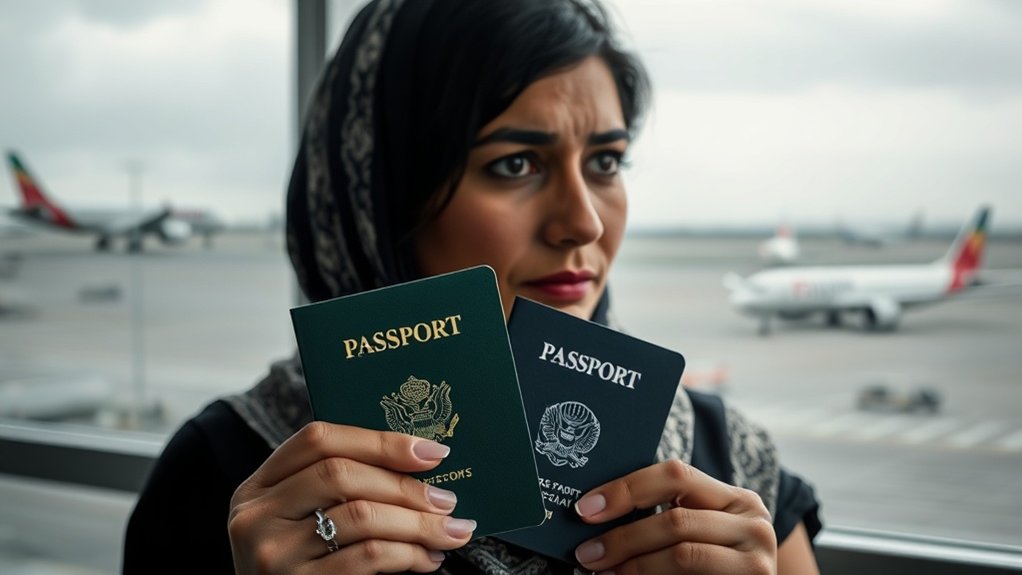
Legal Considerations in Dual Citizenship
When you hold citizenship in both Afghanistan and another country, you’ll need to understand your rights and obligations under each nation’s laws. You might find that some rules or responsibilities conflict, making it tricky to know which laws apply in different situations. Let’s look at how these legal overlaps can affect your everyday life and major decisions. Seeking professional immigration guidance ensures you remain compliant and minimizes the risk of unforeseen legal complications.Rights and Obligations Overview
Because dual citizenship often presents unique legal challenges, it’s important to understand both your rights and obligations under Afghan law and the laws of your other country of nationality. As a dual national, you may enjoy privileges such as the right to reside, work, and own property in both countries. You could also access social services, educational opportunities, and consular assistance. However, you’ll also need to comply with duties imposed by each state. These might include paying taxes, fulfilling military service, or adhering to civic requirements in both jurisdictions. Always keep in mind that your obligations persist even when you’re outside a country’s borders. Navigating these responsibilities correctly can help you protect your rights and avoid penalties for non-compliance with either country’s laws. Seeking professional support can increase your chances of successfully managing your dual citizenship status and avoiding legal complications.Conflicts of Law
Even as you enjoy the advantages of dual citizenship, you’ll quickly notice that conflicting legal obligations can arise between Afghanistan and your other country of nationality. Laws may overlap, contradict, or place you in difficult situations. You might face challenges with military service, taxes, or even diplomatic protection. The reality is that both countries may expect you to comply fully with their legal requirements—sometimes at the same time.To navigate these conflicts, you should pay close attention to:- Which country’s laws apply when you’re physically present in either territory
- Potential double taxation if both countries demand tax filings
- Conflicting military service or national service requirements
- How each country manages or limits consular protection in times of trouble
Security Implications of Nationality Selection
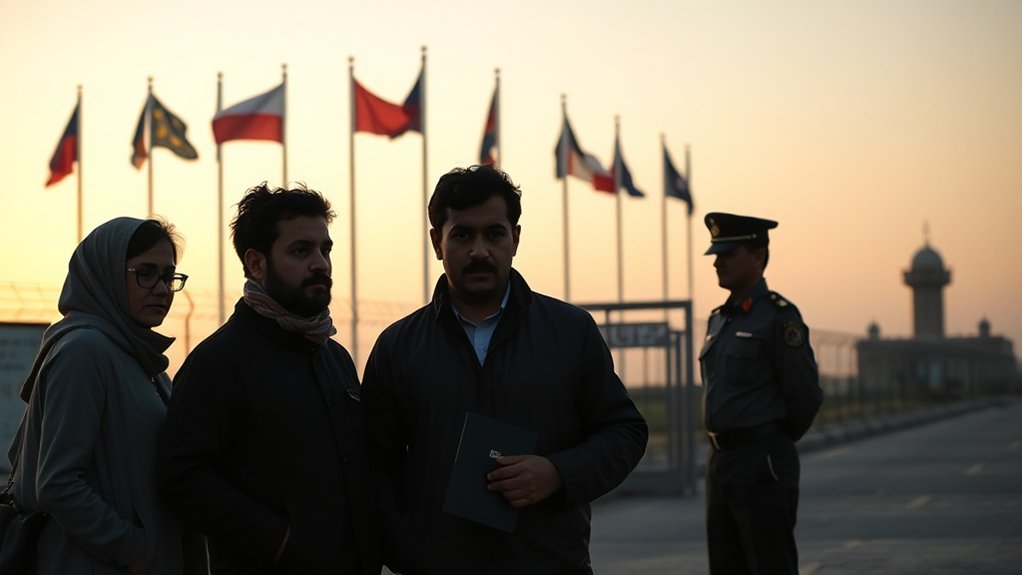
Embassy Perceptions and Risks
Although holding dual nationality can offer flexibility and protection, embassy staff often assess which citizenship you use and what it implies about your loyalties or intentions. When you approach an embassy—especially in high-stakes regions like Afghanistan—your choice of passport can shape their perceptions. They may scrutinize your intent, country ties, or possible security risks tied to your nationality. These perceptions influence how your case is handled, from simple paperwork to more sensitive requests. Consider the following points when deciding which citizenship to present:- They might question your motives, especially if you choose a less-common citizenship.
- Your background could be vetted more thoroughly if there’s perceived conflict of interest.
- Political tensions may play a role in their response to you.
- Documentation requests may increase if your loyalties seem unclear.
Consular Protection Limitations
Because your choice of nationality directly impacts the protection you receive, it’s crucial to understand the real limits consular officers face in Afghanistan. Even if you hold citizenship from a country reputed for robust consular support, embassy staff operate under serious constraints. They can’t intervene in Afghan legal proceedings, override local authorities, or guarantee your physical safety outside embassy premises. If you’re detained, some embassies might struggle to access you, especially if Afghanistan doesn’t recognize your second nationality.You should also realize that public disclosure of dual citizenship can complicate or limit consular help. Afghanistan may treat you solely as an Afghan national, further restricting foreign assistance. Given these limits, you must weigh your nationality choices carefully, prioritizing practical security over symbolic affiliation. Seeking personalized and updated guidance from immigration law specialists can help Afghan dual-nationals navigate these complex legal environments and minimize associated risks.Impact on International Mobility and Travel
Even with an Afghan dual nationality, you’ll face unique challenges and advantages when traveling internationally. Your dual status can open doors, but it can also complicate border crossings and visa processes. Some countries may grant you easier access or visa-free travel, while others may scrutinize your Afghan passport more closely. Always be ready to weigh which passport works best for each destination.You might encounter:- Difficulty entering certain countries using your Afghan passport due to political or security restrictions.
- Greater travel flexibility if your second nationality offers better visa-free access.
- Possible requirements to enter or leave Afghanistan exclusively on your Afghan passport, complicating logistics for onward travel.
- Heightened border questions or delays, especially in countries wary of dual nationals from Afghanistan.
Asset Protection and Financial Planning

Having a solid financial plan in place is only part of securing your future as an Afghan dual national; you also need to stay alert to the shifting landscape of global policies. Rules and regulations are constantly evolving, impacting your rights, responsibilities, and opportunities across different countries. That means you can’t simply rely on yesterday’s solutions for tomorrow’s problems. You’ll need to monitor developments closely and respond quickly when policy changes arise. Keeping informed will help you avoid unpleasant surprises and capitalize on new options when they emerge.To stay ahead, consider these strategies:
- Subscribe to trusted legal and immigration newsletters specific to Afghan dual nationality.
- Build a relationship with qualified legal counsel who understands both Afghan and foreign regulations.
- Join reputable online forums or support groups where changes are discussed in real-time.
- Regularly review government announcements from both your countries of citizenship.
Expert Strategies for Determining the Best Nationality

Frequently Asked Questions
Is dual nationality allowed in Afghanistan?
Yes, Afghanistan permits dual nationality, allowing citizens to acquire another nationality without automatically losing their Afghan citizenship.
How to obtain Afghan nationality?
Afghan nationality can be obtained by birth to Afghan parents, through naturalization after legal residence, marriage to an Afghan citizen, or by decree of the government in special cases.
1. Is dual nationality allowed in Afghanistan?
Oficialmente, não. A lei de cidadania do Afeganistão (Law on Citizenship) afirma que cidadãos do Afeganistão não podem legalmente ter dupla cidadania, exceto em circunstâncias informais ou práticas.
Na prática, muitos afegãos mantêm dupla cidadania sem sanções severas, mas isso pode limitar certas funções públicas ou cargos de governo.
2. Which country is accepting immigrants from Afghanistan?
Há vários países que aceitam imigrantes/refugiados afegãos:
Países vizinhos como Paquistão e Irã têm abrigado muitos afegãos.
Países ocidentais (EUA, Alemanha, Canadá, etc.) também têm programas de admissão humanitária ou vistos especiais para afegãos vulneráveis.
3. Is it possible to renounce Afghan citizenship?
Sim, é possível renunciar à cidadania afegã, mas com condições:
A pessoa deve seguir procedimento formal e não ter obrigações civis, financeiras ou criminais pendentes com o estado afegão.
Há restrições: por exemplo, se a renúncia implicar dano ao país, ou se for para indivíduos com condenações criminais ou obrigações pendentes.
4. Can I get Afghanistan citizenship?
Sim, é possível obter cidadania afegã via diferentes caminhos:
Por descendência: se ao menos um dos pais for cidadão afegão, mesmo se você nascer fora do país.
Naturalização: estrangeiros que cumprirem certos requisitos (idade adulta, residência contínua por ~5 anos, bom caráter, sem antecedentes criminais) podem aplicar.
Casamento: em alguns casos, uma pessoa estrangeira casada com cidadão afegão pode aplicar para cidadania.
What Is the Process for Renouncing Afghan Citizenship?
To renounce your Afghan citizenship, you’ll need to submit a formal application at an Afghan embassy or consulate. You must provide supporting documents, like your current passport and proof of another citizenship. Authorities will review your application, verify your documents, and possibly conduct an interview. If approved, you’ll receive an official certificate confirming your renunciation. Make sure you keep this certificate, as it’s crucial for your new legal status abroad.Can Children Inherit Dual Citizenship From Afghan Parents?
Yes, your children can inherit dual citizenship from Afghan parents if the laws of both Afghanistan and the other country allow it. Afghanistan generally recognizes citizenship by descent, so your child automatically obtains Afghan citizenship if at least one parent is Afghan. However, you need to check the other country’s rules, since some don’t permit dual citizenship or may require you to declare a child’s nationality at birth or later on.How Do Marriage Laws Affect Dual-National Status in Afghanistan?
Marriage laws in Afghanistan don’t automatically grant you dual nationality, but they can influence your status. If you marry an Afghan, you might become eligible for Afghan citizenship, yet Afghan law doesn’t formally recognize dual citizenship. This creates complex situations if your spouse holds another nationality. You’ll want to check how your own country treats dual nationals and understand Afghanistan’s stance before making any decisions, so you don’t risk losing your original citizenship.Are Name Changes Allowed for Afghan Dual-Nationals?
Yes, you can legally change your name as an Afghan dual-national, but you’ll need to follow procedures in both countries. In Afghanistan, you must apply through the relevant civil registration authority and provide valid reasons for the change, like marriage or personal choice. Make sure you also update your documents in your other country of nationality, since each jurisdiction may have different requirements and processes for recognizing and recording name changes.Does Afghan Dual-National Status Affect Eligibility for Public Benefits?
Yes, your dual-national status can affect your eligibility for public benefits, depending on the country’s specific laws and the type of benefits you’re seeking. Some countries may limit access to certain benefits for dual nationals or require you to prove your residency or primary allegiance. You need to check each country’s regulations closely, since holding another nationality doesn’t automatically guarantee or deny you public benefits. Always review local eligibility rules before applying.Conclusion
Navigating the complexities of Afghan dual nationality isn’t easy, but you don’t have to do it alone. By understanding legal, security, and financial implications, you can make informed decisions that safeguard your rights and assets. With Vieira Braga Advogados guiding you, you’ll confidently choose the best nationality for filing and compliance. Stay proactive, adapt to evolving global policies, and ensure that your international mobility and future opportunities remain secure and optimized.