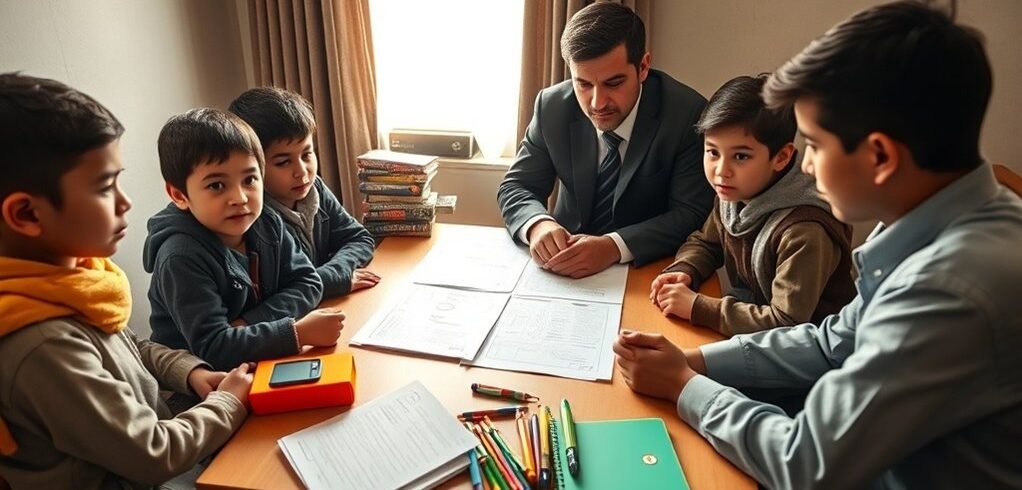

Understanding International Travel Rules for Afghan Minors
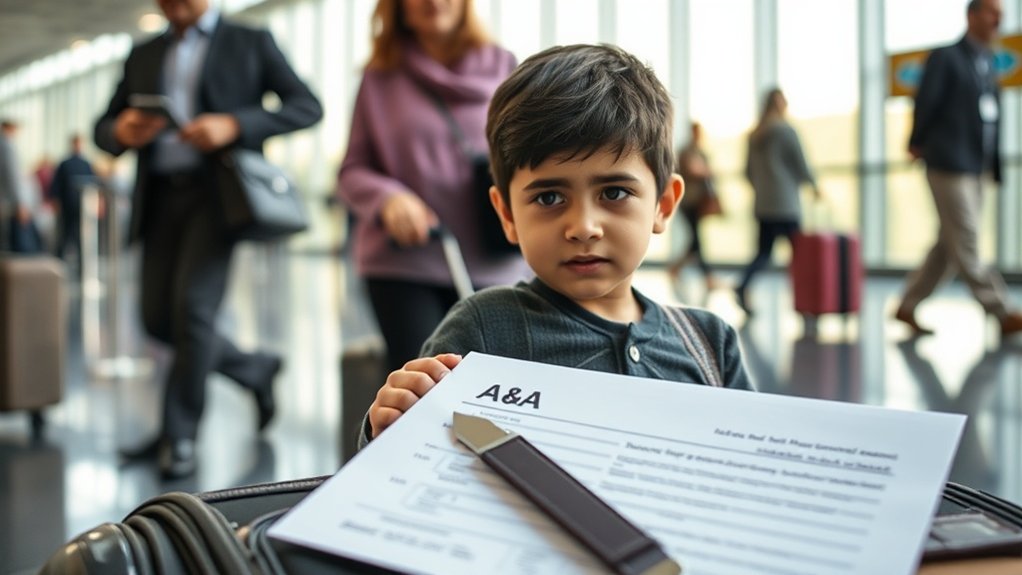
Why Consent Forms Are Essential for Single-Parent Travel
You need a consent form when traveling alone with your child because it’s often a legal requirement for departure. This document also helps prevent parental abduction concerns at borders. Most importantly, you’re showing authorities that your child’s safety and rights are protected. Having this paperwork in order can also reduce the risk of procedural errors that could delay your travels or cause legal complications.Legal Requirements for Departure
When a minor Afghan child travels with only one parent, authorities require more than just a valid passport—clear legal consent from the non-traveling parent is essential. You must present an official, written consent form, typically notarized, to show both parents agree to the child’s departure. Without this document, border officials may deny boarding or exit at the airport, causing critical travel delays or cancelled plans. Afghan law prioritizes the interests and protection of minors, so you’ll need to provide detailed information, including the child’s and both parents’ personal details, travel itinerary, and purpose of the trip. Double-check the specific requirements with Afghan immigration and your destination’s embassy—they sometimes require translation or additional legalization. Always prepare documents well in advance to ensure smooth travel. In the context of family-based immigration pathways, consent forms and proof of relationship play a pivotal role in demonstrating the legitimacy and safety of a minor’s international travel.Preventing Parental Abduction
Because international travel with minors carries risks, authorities enforce strict documentation rules to protect children from parental abduction. When you plan to travel alone with your Afghan child, you’ll need more than just a passport. Consent forms aren’t just paperwork—they’re crucial safeguards. These forms prove both parents agree to the trip, reducing the risk of one parent taking the child abroad without the other’s knowledge.Consent forms help authorities:- Confirm you have legal permission to travel with your child
- Prevent unauthorized removal of children across borders
- Ensure both parents are aware of and agree to travel plans
Ensuring Child’s Safety
Beyond preventing parental abduction, consent forms also play a direct role in safeguarding your child’s well-being during international travel. When you travel alone with your Afghan minor, officials may ask for proof that you have the other parent’s permission. This step ensures your child isn’t being taken abroad without the full knowledge and approval of both parents or legal guardians. Consent forms enable authorities to communicate with both parents in case of emergencies, medical needs, or unexpected incidents. They can also help you avoid delays or detainment at border crossings if questions arise about your child’s custody. By preparing this documentation, you’re showing that you respect legal requirements and are prioritizing your child’s safety every step of the way throughout the journey. Properly completed consent forms can help you navigate complicated processes for obtaining visas and related travel documentation requirements that may arise during international journeys.Key Legal Requirements for Afghan Minors Leaving the Country
When you’re planning to leave Afghanistan with your child, you’ll face strict legal steps. You’ll need mandatory exit documents, parental authorization, and sometimes embassy approval. Make sure you have everything ready before your trip to avoid delays. Consulting an expert familiar with immigration laws and risks can help you navigate the process securely and prevent issues such as application denials or delays.Mandatory Exit Documentation
Each Afghan minor traveling abroad with just one parent must present specific legal documents before departing the country. As you prepare for your journey, Afghan border officials will request these critical items to verify a minor’s eligibility for international travel. Missing any required document can result in denied exit or travel delays, so you must organize each item carefully in advance. To ensure compliance with Afghan legal requirements, pay close attention to the following documents:- A valid Afghan passport for the minor, with all biographical details clearly visible.
- The minor’s original birth certificate to confirm identity and parentage.
- An official travel permit or exit visa issued by the Afghan authorities, specifically authorizing the minor’s travel.
Parental Authorization Needs
While gathering documents for your child’s journey, you’ll also need to secure official authorization from the non-traveling parent. Afghan law requires that both parents agree for a minor to leave the country, even if only one is accompanying them. You must obtain a signed and notarized consent form from the parent who’s not traveling. This form should clearly state their agreement for the child to travel, specify the intended destination, include travel dates, and name the accompanying parent. Not having this document can stop your child at the border and result in denied exit. Double-check that the authorization matches your child’s identification details and travel plans precisely. Completing this requirement displays proper parental consent, minimizing legal complications during the exit process. Consulting with an immigration lawyer can ensure that proper legal documentation is prepared and submitted according to current regulations.Embassy Approval Procedures
After securing the necessary parental consent, you’ll need to follow specific embassy procedures before traveling. Embassies require several key documents to legitimize your trip with an Afghan minor. The country’s departure rules are strict—every step counts. Visit the embassy as soon as possible, since approvals often take longer than expected.When preparing for your appointment, focus on these essentials:- Document Verification: Bring original birth certificates, passports, and the signed parental authorization form, making sure all documents are up to date and accurate.
- Interview or Written Declaration: Expect the embassy to request an interview or declaration proving your relationship and travel purpose.
- Approval Stamping: Once everything is validated, the embassy will officially stamp or notarize the exit documents, granting permission for the minor to travel.
Common Challenges Faced by Afghan Families
As Afghan families attempt to travel with only one parent, they encounter a range of obstacles that can make the journey especially stressful. You might find that gathering all the required documents for your child isn’t straightforward. Common issues include confusion about what paperwork embassies require, language barriers, and the frequent need for certified translations. You may struggle to get timely appointments at government offices or face delays due to ongoing instability in Afghanistan.You’ll also need to address challenging questions about custody and parental rights. Authorities often question the legitimacy of your travel arrangements, especially if one parent remains behind. If you lack clear documentation or if the other parent’s consent isn’t evident, officials may delay or deny your trip. Unfamiliar legal systems and rapidly changing policies in different countries add to your difficulties. These hurdles can leave you feeling overwhelmed, even before starting the formal application process for travel consent.Working with an immigration lawyer helps families avoid common pitfalls in these complex situations, ensuring that all documentation and legal requirements are properly addressed.Step-by-Step Guide to Obtaining a Consent Form

- Reach out to the embassy or consulate to confirm where and how the consent form must be signed (in-person, online, or through a notary).
- Schedule appointments well in advance, especially since appointments at consulates can fill up quickly.
- Ensure the non-traveling parent is present for signing, as some authorities require their physical attendance.
Required Documents for the Consent Process
Once you have the correct consent form in hand, you’ll need to gather a set of documents to support your application. First, obtain both parents’ valid identification documents, such as passports or national IDs. If one parent isn’t present, you’ll need a notarized copy of their ID and proof of their absence, such as a death certificate or a court order granting sole custody. Bring the child’s birth certificate to confirm your relationship and parental rights. If the consent form requires translation into another language, attach certified translations of all relevant documents.You’ll also need proof of travel arrangements, like flight tickets or visa confirmations, and any official paperwork about the purpose of the trip. Don’t forget to include a recent passport-sized photo of the child if requested by authorities. Check local embassy or consulate requirements, since they may ask for additional documents or specific formats depending on your destination and circumstances.How Vieira Braga Advogados Supports Families

- Clarifying which documents you need and how to gather them
- Guiding you through notarization and translation steps
- Answering your questions promptly, minimizing stress
Preventing Travel Delays and Legal Issues
While preparing to travel with an Afghan minor, you need to ensure every legal detail is in order to prevent unexpected delays at the border or airport. Authorities often require specific documentation, such as a notarized consent form from the non-traveling parent, proving you have permission to travel internationally with your child. Without this, you could face questioning, denied entry, or even temporary detainment.To avoid legal complications, gather official documents that verify the child’s identity, your relationship, and parental consent. Some countries request certified translations of these documents, so confirm requirements before departure. Double-check the expiration dates on passports and visas, since expired documents can stop your journey abruptly. If your child’s last name differs from yours, bring supporting paperwork, such as birth certificates or custody orders. Proper preparation means you’ll move through borders smoothly and avoid stressful setbacks that can disrupt travel plans unexpectedly.Tips for Smooth Cross-Border Travel With Minors
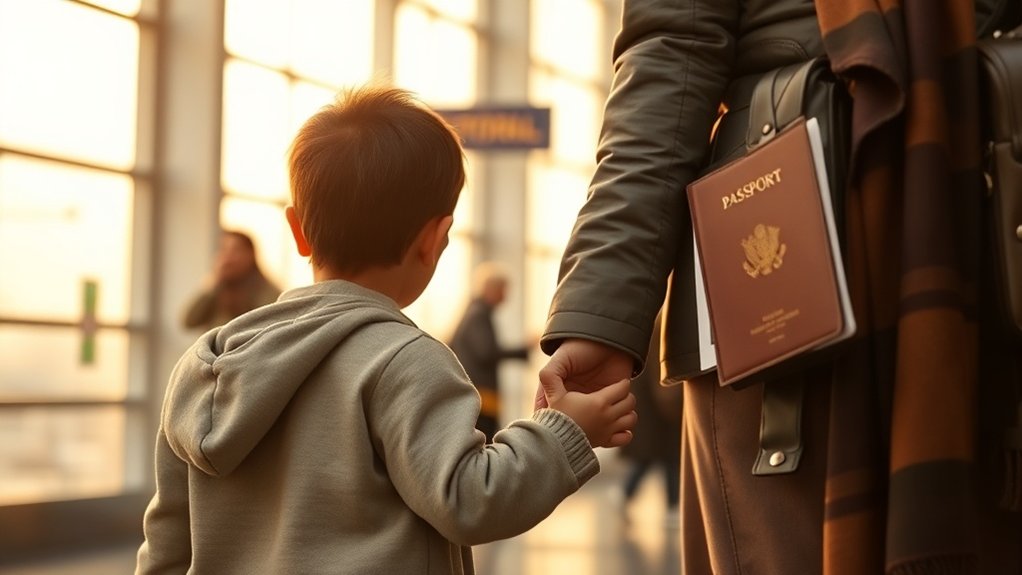
- Keep all travel documents, such as your passport, your child’s passport, visa, and consent forms, in a secure, easily accessible folder.
- Inform your airline in advance that you’re traveling as a single parent with a minor, as they might provide extra guidance or assistance.
- Arrive at the airport early to allow ample time for document verification—authorities may need additional time to review paperwork.
Frequently Asked Questions
What is the consent for a minor to travel internationally with one parent?
It is a legal authorization, often a notarized letter, signed by the non-traveling parent giving permission for the child to leave the country, required to prevent abduction concerns.
How do you write a letter of consent for a child to travel with one parent in Germany?
The letter should include the child’s details, travel dates, destination, the accompanying parent’s information, and the non-traveling parent’s signature, ideally certified by a notary or local authority.
What Languages Are Consent Forms Available in for Afghan Minors?
You’ll usually find consent forms for Afghan minors available in several languages to accommodate different backgrounds and official requirements. Commonly, these forms are provided in Dari and Pashto—Afghanistan’s main languages. In many cases, English translations are also available for use in international travel or embassy settings. Make sure you check specific requirements with authorities, as some countries may ask for certified translations to ensure the information’s clear and officially recognized.Are Digital Consent Forms Accepted at Afghan Border Controls?
No, you generally can’t rely on digital consent forms at Afghan border controls. Officials typically require original, hard-copy documents with physical signatures for minors traveling with one parent. If you present a digital version on your phone or tablet, they most likely won’t accept it, and you risk being denied entry or exit. Always print consent forms, ensure they’re properly signed, and carry any supporting documents in their physical form.How Long Is a Consent Form Valid Once Issued?
A consent form’s validity period depends on what’s written in the document itself and the requirements of the country you’re traveling through. If the form doesn’t specify an expiration date, officials may accept it for a single trip or up to a year, but it’s always best to check local border regulations. You should clearly state the intended travel dates on the form, so there’s no confusion at the border.Can Consent Forms Be Used for Multiple Trips?
Yes, you can use consent forms for multiple trips if the document clearly states that it covers more than one journey and specifies the time period it’s valid for. Always check the language in the form—you’ll want it to mention “any travel” within a set timeframe rather than list a single trip. Remember, border officials may still ask questions, so keep your documentation clear and up to date.What Happens if a Parent Cannot Be Located for Consent?
If you can’t locate the other parent for consent, you usually need to take legal steps. You may have to obtain a court order allowing your child to travel without the missing parent’s approval. Courts understand these situations, but you’ll need to provide proof that you made every effort to contact the other parent. Don’t assume you can travel without permission—border authorities often require official documentation and could deny you entry or exit.Conclusion
When you’re traveling with your Afghan child as a single parent, having a notarized consent form isn’t just a formality—it’s essential. By preparing all required documents, including birth certificates and passports, you’ll avoid unnecessary stress and legal complications. Vieira Braga Advogados can guide you through every step, so your journey is smooth and secure. Don’t leave things to chance—be proactive, stay compliant, and ensure your family’s travel experience is safe and hassle-free.