
Understanding the Brazilian Education System for International Students
Eligibility Criteria for Afghan Students
Before you apply to study in Brazil, you’ll need to ensure you meet the specific eligibility criteria set for Afghan students. You must verify your academic background, provide proof of proficiency in the language of instruction (usually Portuguese), and show sufficient financial means to support yourself during your studies. Brazilian universities often require certified translations of your academic transcripts and diplomas, so be ready to submit these documents.In addition, you should have a valid passport and no legal restrictions preventing international travel. Some institutions may require a letter of intent or an acceptance letter from a recognized Brazilian educational institution before you can proceed. The table below outlines key eligibility components:| Document | Requirement | Purpose |
|---|---|---|
| Academic Records | Certified & Translated | Education Verification |
| Language Proficiency | Portuguese Test Score | Instruction Readiness |
| Financial Proof | Bank Statements | Living Expenses |
Types of Student Visas and Permits
Application Process for Study Permission
Once you’ve chosen the right visa, you’ll need to follow a clear set of steps to secure study permission for Brazil. Start by accessing the official website of the Brazilian consulate in your country or the nearest location. There, you’ll find the online visa application form—fill it out carefully, paying close attention to all questions. Create an account if needed, as this lets you track your application progress.After submitting your online form, schedule an appointment at the consulate for an in-person interview. Plan ahead—appointment slots can fill quickly, and processing times may vary. At your interview, you’ll present your application confirmation and answer questions about your study plans in Brazil. If you pass the interview, the consular officials will process your application and keep you updated by email or your online account. Monitor all notifications and respond promptly to any additional requests or updates regarding your application status.For many study visa applicants, it’s important to understand the documentation required to prove your eligibility, as providing comprehensive and accurate paperwork is often a key factor in successful processing.Required Documentation for Admission and Visa

| Document | Emotion | Why It Matters |
|---|---|---|
| Acceptance Letter | Hopeful | Opens doors to new life |
| Academic Transcript | Pride | Shows your achievements |
| Financial Proof | Security | Ensures a stable future |
Legalization and Translation of Documents
You’ll need to have your documents legalized before they’re accepted by Brazilian authorities. Next, make sure you get certified translations into Portuguese, as regular translations won’t meet official requirements. Let’s look at the steps for legalization and the translation process you’ll follow. Since the costs and fees associated with document legalization and translation can vary, it’s important to plan for expenses such as consular charges and certified translation rates.Required Document Legalization Steps
Before applying for a study permit in Brazil, you need to ensure that your academic and personal documents—such as diplomas, transcripts, and birth certificates—are properly legalized and translated. Legalization is crucial because Brazilian authorities will only accept documents that meet their legal standards. Usually, you’ll start by having your documents authenticated by Afghan governmental authorities. Next, take them to the Brazilian consulate in Afghanistan or the closest country for legalization. Only after these steps will your documents be valid for use in Brazil. This process is essential—skipping it can delay your study permit approval. For additional support, seeking help from professionals familiar with detailed planning and documentation can make the process smoother and help avoid common mistakes.Here’s a quick summary of the required steps:| Step | Responsible Party |
|---|---|
| Authentication | Afghan authorities |
| Consular Legalization | Brazilian consulate |
| Keep Originals & Copies | Student |
| Prepare for Translation | Student |
Certified Translation Process
Once your documents are fully legalized, the next critical step is obtaining certified translations into Portuguese, Brazil’s official language. You must use a sworn translator, known locally as a “tradutor juramentado.” Only translations completed by these professionals are recognized by Brazilian authorities for student visa and university application purposes.To start, locate an official sworn translator in the state where you’ll submit your documents. Submit the original legalized papers for translation. The translator will issue a certified copy, stamped and signed, guaranteeing its authenticity. Never rely on unofficial translations, as they won’t be accepted during your application process. Consulting specialized legal assistance can further ensure that your translations and documentation fully meet Brazilian immigration authority requirements.Common Challenges Faced by Afghan Students
Language Barriers and Adaptation
Although Afghan students arrive in Brazil eager to learn, they quickly find that language barriers present significant challenges. You may feel overwhelmed by Portuguese, especially if you studied English or Dari back home. Daily interactions, lectures, and academic assignments suddenly become much harder. Understanding slang, technical terms, and rapid speech can be daunting, leading to frustration or isolation.To adapt, you’ll need to dedicate time to language classes and immerse yourself in local culture. Speaking with classmates, joining study groups, and practicing outside the classroom help you gain confidence. It’s common to face misunderstandings or need extra clarification. However, persistence makes a real difference. Every conversation or mistake is a learning opportunity, and with steady effort, your language skills—and comfort level in Brazil—will significantly improve.Working with an immigration lawyer can also provide personalized analysis and documentation support, which is crucial when navigating study permissions and overcoming bureaucratic challenges.Document Verification Issues
Many Afghan students face immediate hurdles with document verification as soon as they begin the enrollment process in Brazil. You’ll quickly discover that Brazilian universities require official documentation—such as transcripts, diplomas, and identification—authenticated or apostilled. Because of Afghanistan’s unstable political situation, obtaining these documents often proves challenging. Sometimes, you might not have timely access to original records, or the documents you do have could raise questions about legitimacy.You’ll also encounter issues with translation; Brazilian institutions expect consularized or certified Portuguese translations. Missing stamps, inconsistent details, or unofficially issued paperwork can delay your acceptance and visa processes. You need to anticipate requests for further evidence, and you might need support from legal professionals or advocacy groups to bridge these gaps and help convince Brazilian authorities of your academic credentials’ validity.Support Services and Resources in Brazil
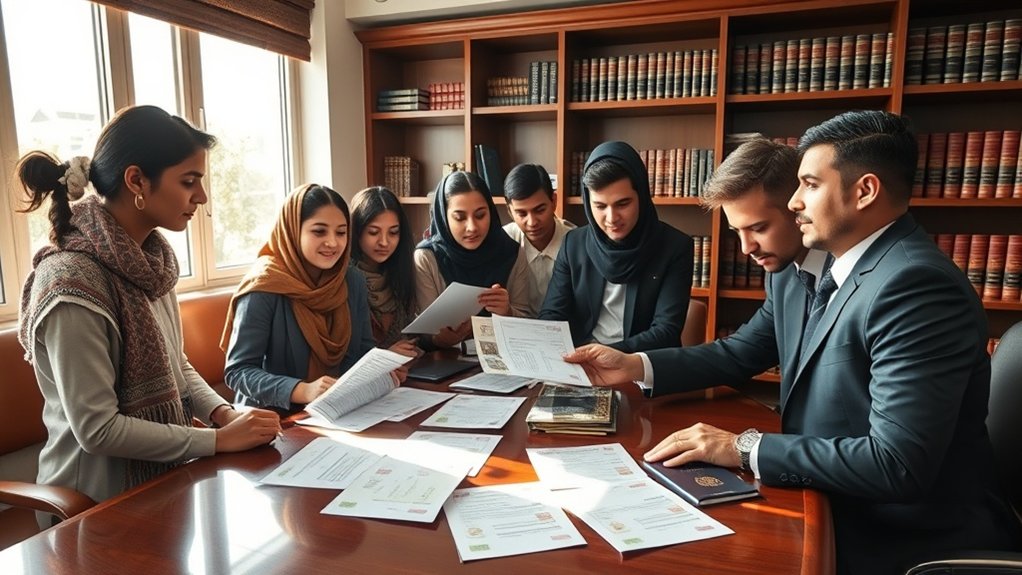
As you begin your studies in Brazil, you’ll find a range of support services and resources designed to help international students adjust both academically and personally. Most universities offer dedicated international offices where you can get guidance on course registration, language support, and adapting to Brazilian academic life. These offices often organize orientation sessions, cultural activities, and peer mentorship programs to connect you with other students.Beyond campus, you’ll access resources like student housing options, language classes, and counseling centers. Many cities host community organizations and cultural centers that support newcomers by offering information about healthcare, public transportation, and everyday life in Brazil. Don’t hesitate to join student unions or international clubs, as these groups provide valuable social and academic networks. Reaching out for support early helps you navigate challenges smoothly and ensures you make the most of your educational and cultural experience in Brazil.How Vieira Braga Advogados Can Assist Afghan Students
Frequently Asked Questions
Are Scholarships Available Specifically for Afghan Students in Brazil?
Yes, you can find scholarships specifically for Afghan students in Brazil. Some universities and organizations offer financial aid targeting refugees or students from conflict regions, including Afghanistan. You’ll want to check each university’s scholarship pages and look for opportunities from international organizations or the Brazilian government. Make sure you meet eligibility requirements and prepare your documents early. Don’t hesitate to email scholarship offices—they’re often willing to guide you through the process.What Are the Living Costs for Students in Brazilian Cities?
You’ll find living costs for students in Brazilian cities vary widely. In major cities like São Paulo or Rio de Janeiro, you can expect monthly expenses—housing, food, transport, and utilities—to range from $500 to $1,000 USD. Smaller cities are usually cheaper, sometimes dropping to $300-$600. If you share accommodation, use student dining halls, and take public transport, you’ll save money. Always budget for health insurance and study materials, too.Can Afghan Students Bring Their Families With Them to Brazil?
Yes, you can bring your family with you to Brazil while you study, but you’ll need to follow specific visa procedures. Your spouse and children can apply for dependent visas, usually tied to your student visa status. Ensure you have all required documents, including proof of relationship and financial support. It’s important to start the process early, so you and your family face fewer delays or complications when moving together.Is It Possible to Extend a Student Visa After Graduation?
Yes, you can usually extend your student visa after graduation, but you’ll need to meet specific requirements. If you want to stay for further studies or research, apply for another student or research visa. If you’re seeking work, look into changing your status to a work visa. Make sure you start the process before your current visa expires, and check with Brazilian immigration authorities for updated rules and documentation.How Safe Is Brazil for International Students From Afghanistan?
You’ll generally find Brazil safe as an international student from Afghanistan, but like any large country, safety varies by city and neighborhood. Brazilians are known for their warmth and hospitality, and universities often support international students. Still, you’ll want to stay alert in unfamiliar areas, avoid risky parts of big cities, and follow university safety guidelines. Connect with student groups so you won’t feel isolated and can access helpful resources if needed.Conclusion
Navigating Brazil’s study permissions and documentation can feel overwhelming, but you don’t have to do it alone. With Vieira Braga Advogados by your side, you’ll get expert guidance at every step, from legalizing documents to understanding visa requirements. Focus on your academic goals while they handle the complexities, ensuring you stay compliant with all regulations. With the right support, your dream of studying in Brazil becomes much more achievable and stress-free.